
In the vast and ever-evolving world of commercial property, did you know that the market is set to witness unprecedented transformations in the next decade? Understanding commercial property trends is crucial for investors and entrepreneurs who wish to stay ahead of the curve. This post dives into the critical dynamics shaping the commercial real estate landscape, explores emerging trends, and projects future growth areas. By the end of this read, you will be equipped with actionable insights that could significantly impact your investment strategies and decisions!
The Evolving Landscape of Commercial Real Estate
The commercial real estate sector has undergone a profound transformation in the wake of technological advancements, shifting consumer behaviors, and the recent global events. Investing in commercial property requires an eye for potential growth, understanding market dynamics, and being aware of the prevailing trends. Let’s explore some of the most significant trends shaping the future of commercial properties and why they are essential for investors to consider.
1. The Shift to Remote Work and Its Impact on Office Spaces
One of the most prominent shifts observed in recent years is the widespread adoption of remote work models. Office spaces are undergoing a transformation as businesses reassess their spatial needs in light of this trend.
– Reduced Demand for Traditional Office Spaces: Many companies are downsizing their physical office footprints in favor of flexible working arrangements.
– Demand for Co-working Spaces: On the flip side, there is a growing demand for co-working spaces, as professionals seek flexible environments conducive to collaboration while minimizing isolation.
– Focus on Health and Safety: The emphasis on health has fueled the desire for office spaces that prioritize employee well-being. Expect investments in properties that integrate features like improved air quality, natural lighting, and wellness amenities.
2. E-commerce Growth and Its Effect on Retail Properties
E-commerce has surged to unprecedented heights, with online shopping habits deeply ingrained in consumer behavior. This trend dramatically influences retail properties:
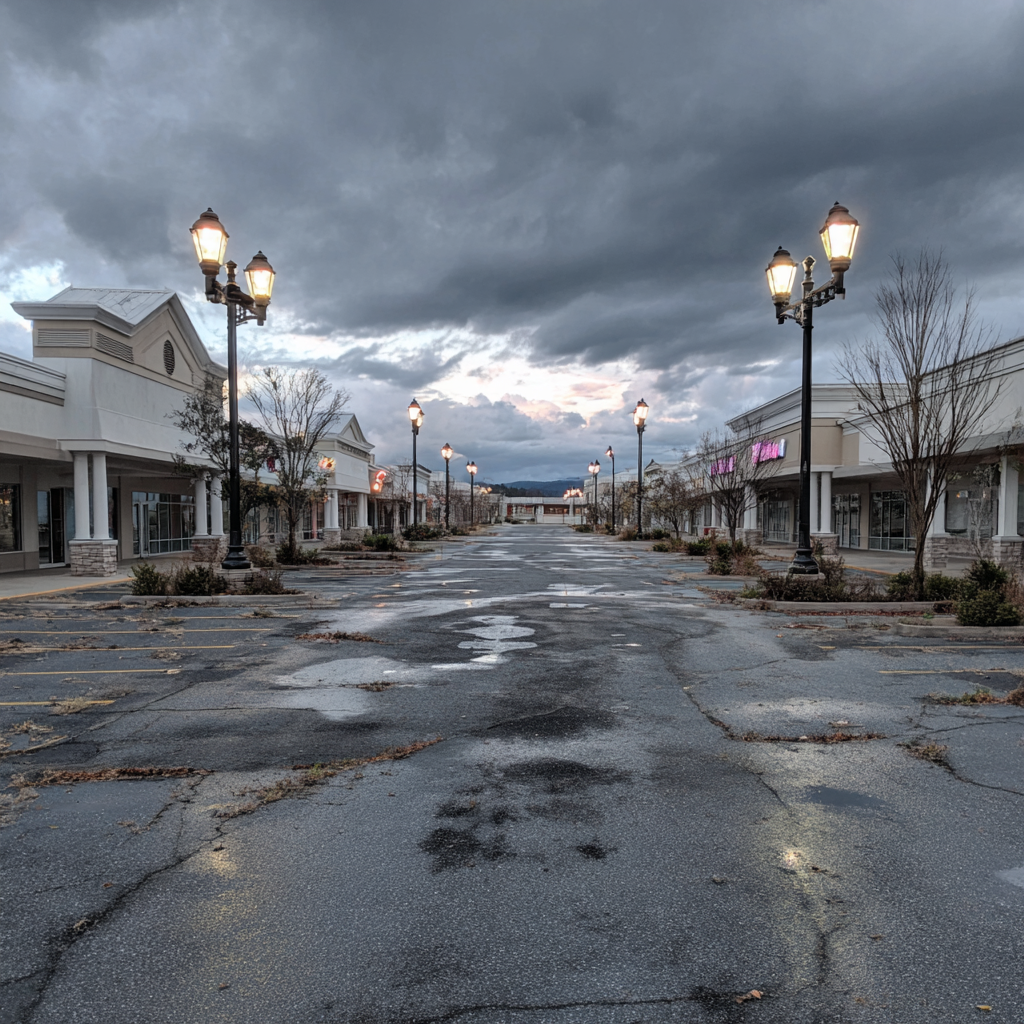
– Decline of Physical Stores: Retailers are forced to rethink their business models. Many are closing locations that do not align with their e-commerce strategies.
– Rise of Fulfillment Centers: As consumers demand faster delivery options, the need for warehouses and fulfillment centers has escalated, leading to increased investments in these properties.
– Experience-Based Retail: Brick-and-mortar stores continue to evolve by focusing on creating immersive experiences for consumers, blending retail with entertainment and engagement.
3. Sustainability and Green Building Initiatives
Sustainability is not just a passing trend; it is now an essential criterion for commercial properties:
– Growing Demand for Green Buildings: More investors and tenants are prioritizing sustainable and eco-friendly properties. This shift corresponds with a desire for lower operational costs and a smaller environmental footprint.
– Increased Legislation: Governments worldwide are enacting stricter regulations regarding environmental sustainability, pushing developers to adapt their plans and engage in green practices.
– Long-Term Cost Savings: Green buildings often yield long-term savings in energy and maintenance costs, making them a wise investment choice for the future.
4. The Role of Technology in Commercial Real Estate
The integration of technology is transforming how commercial properties are bought, built, and managed:
– PropTech Innovations: The rise of property technology (PropTech) is enabling smarter building management, asset management, and real estate marketing.
– Smart Buildings: Features such as IoT devices, automation systems, and AI-powered analytics are becoming standard in modern commercial properties, improving both efficiency and tenant experience.
– Virtual Tours and Digital Marketing: The use of virtual reality and online platforms is revolutionizing the leasing process, allowing potential tenants to explore spaces from the comfort of their homes.
5. Urbanization and the Rise of Mixed-Use Developments
As urban populations continue to expand, mixed-use developments combining residential, retail, and office spaces are gaining popularity:
– Walkability: These projects cater to the demand for walkable neighborhoods, appealing to millennials and Gen Z, who prefer proximity to amenities and workplaces.
– Community-Centric Projects: Developers are increasingly focusing on creating community-oriented spaces that foster interaction, collaboration, and social engagement.
– Diversification: Mixed-use developments help mitigate risks for investors, as they combine diverse income streams through various property types.
6. Future Projections: What Lies Ahead?
With current trends in mind, what can be expected in the future? Here are some key projections:
– Continuing Shift Toward Sustainability: As climate concerns intensify, eco-friendly properties will become a non-negotiable aspect of real estate.
– Tech-Driven Seamless Transactions: Innovations in blockchain technology and AI will likely streamline the buying and leasing processes, enhancing transparency and security.
– Emergence of Alternative Asset Classes: Investors will increasingly explore alternative real estate sectors, including healthcare facilities, data centers, and storage units, responding to evolving market demands.
– Focus on Resilience: Following major disruptions, properties that can adapt to changing circumstances—be it economic, environmental, or social—will be prized assets.
Enhancing Your Investment Strategy with Trends
Understanding these commercial property trends is vital for savvy investors and business owners. By keeping a finger on the pulse of shifting consumer behaviors and market demands, you can position yourself to capitalize on emerging opportunities.
Conclusion: Where Do We Go From Here?
As we’ve explored, the commercial property landscape is dynamic and ever-changing. The importance of emerging trends and projections cannot be overstated, as they will shape the future of investments in this sector.
By adapting and aligning with these trends, investors position themselves for significant opportunities and can avoid potential pitfalls.
Now is the time to strengthen your investment strategies through informed decisions based on thorough research and understanding of future projections. To dive deeper into commercial property insights, click here to explore more on our website. [Your Link Here]
Embrace the evolving landscape, leverage these insights, and embark on your journey toward smarter investments in commercial properties today!
Remember, staying informed is key to harnessing the potential within the commercial real estate market!